Inventions of the Gilded Age |
|
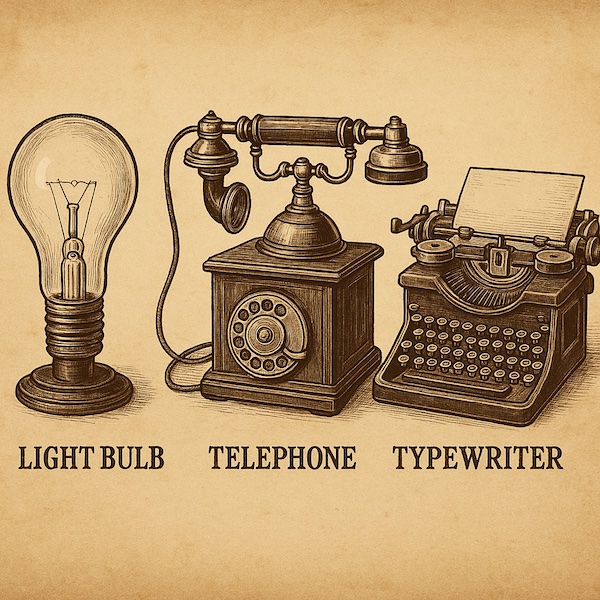
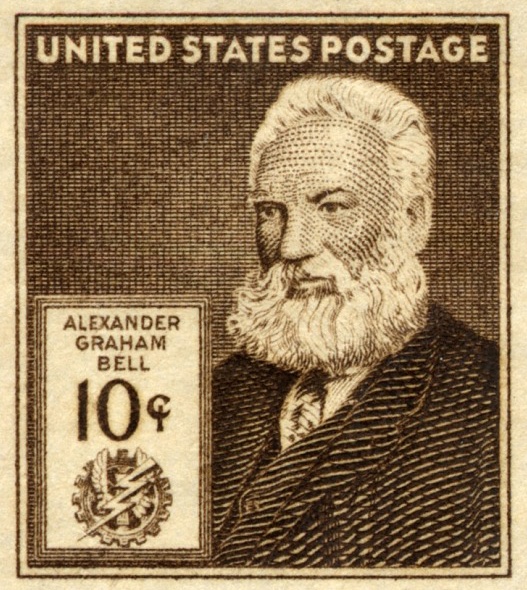
A New Age of IdeasIn the years after the Civil War, the United States changed from a mostly farming nation into a fast-growing industrial power. The late 1870s were especially exciting. New inventions appeared almost every year, and many of them completely changed how people lived, worked, and communicated. Inventors rushed to build new machines, and business leaders raced to turn those ideas into profit. The Communication RevolutionOne of the most important inventions of this period was the telephone, created by Alexander Graham Bell in 1876. For the first time, people could hear someone’s voice from miles away in real time. Before this, messages had to be sent by telegraph or letter, which could be slow. Telephone lines began to spread between cities, and switchboard operators connected calls by hand. The world suddenly felt smaller and more connected.
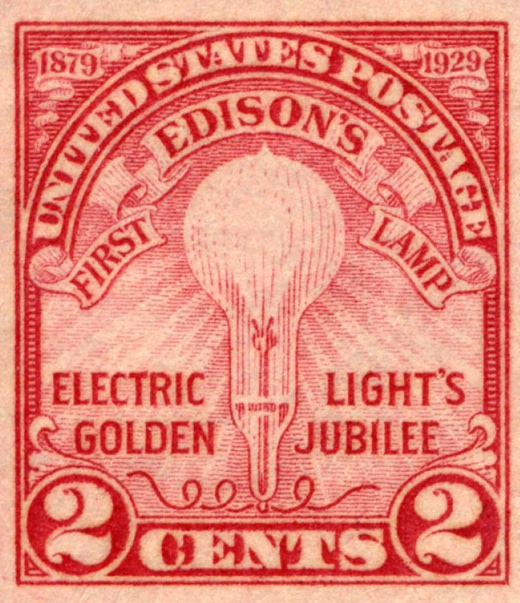
Learn more about Alexander Graham Bell Lighting Up the WorldJust a few years later, Thomas Edison and his team worked on the electric light bulb. By 1879, Edison had created a practical light bulb that could burn for many hours. Electric light meant factories and stores could stay open later, and homes did not have to rely on smoky oil lamps or dangerous gas lights. Power stations and electric lines began to appear in major cities, marking the beginning of the modern electrical age.
Thomas Edison Light Bulb Piostage Stamp (1929) Learn more about Thomas Edison Machines in Factories and HomesOther inventions also changed daily life. The typewriter made it easier to create readable documents and opened office jobs to many women. New machines in factories helped mass-produce clothing, tools, and household goods. Farmers used improved steel plows and reapers to work larger fields. These machines increased productivity, but they also meant that some workers lost jobs as tasks became automated. Winners and Losers of New TechnologyThe technology boom brought many benefits: faster communication, safer lighting, and cheaper goods. At the same time, it created problems. Factory workers often faced long hours and dangerous conditions while operating new machines. Some small businesses could not compete with large companies that used the latest technology. Still, the inventions of the late 1870s helped lay the foundation for the twentieth century and for the digital world we live in today. Timeline of Key Inventions
Glossary
Discussion Questions
America Begins to ChangeIn the late 1800s, America began to change from farms to factories. New inventions appeared quickly and made life easier. Many people moved to cities to find jobs in the growing industries. New Ways to CommunicateIn 1876, Alexander Graham Bell invented the telephone. For the first time, people could talk to each other from far away. This changed how families, businesses, and cities stayed connected. Let There Be LightThomas Edison worked on many inventions. One of his most important was the electric light bulb, created in 1879. Instead of using dangerous gas lamps or candles, people could now use electricity to light homes and factories. Machines in Everyday LifeThe typewriter helped workers write faster and more clearly. New machines in factories produced clothes, tools, and food more quickly. Farmers used better tools to plant and harvest crops faster. A Big Step ForwardThese inventions made life easier, but they also caused problems. Some workers lost jobs when machines took over their tasks. Still, the technology boom helped build the modern world we live in today. Timeline
Glossary
Discussion Questions
|