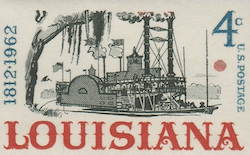
Louisiana has a rich and diverse history shaped by French, Spanish, and African influences, beginning with its founding as a French colony in 1682. It became part of the United States through the Louisiana Purchase in 1803 and has since played key roles in American history, including the Civil War and the Civil Rights Movement.
The Houma Nation is a Native American tribe indigenous to what is now Louisiana, with roots tracing back to the Mississippian culture. Historically known for their fishing, farming, and craftsmanship, the Houma people have maintained a strong cultural identity despite centuries of displacement and lack of federal recognition.
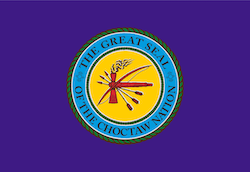
The Choctaw Nation originally inhabited the Southeastern United States and were known for their mound-building, farming practices, and rich oral traditions. They were among the first tribes to adopt written laws and experienced forced removal along the Trail of Tears in the 1830s.
In 1682, La Salle traveled down the Mississippi River from the north to the Gulf of Mexico. During this journey, he passed through eastern Arkansas and made contact with Native American tribes, including the Quapaw.
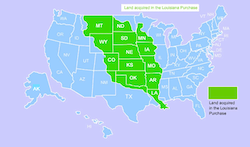
The Louisiana Purchase was a land deal in 1803 where the United States bought a large area of land from France. This purchase doubled the size of the U.S. and included land that would become all or part of 15 states, including Arkansas.
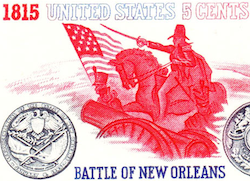
The Battle of New Orleans took place on January 8, 1815, after the War of 1812 had officially ended, but before the news of the peace treaty reached the fighters. American forces under Andrew Jackson defeated a much larger British army, causing over 2,000 British casualties and making Jackson a national hero.