King Phillip's War |
Metacom King Philip's and Pequot Wars Power Point Presentation | Puritan Wars Detailed Lesson Plan | Switch to the Pequot War |
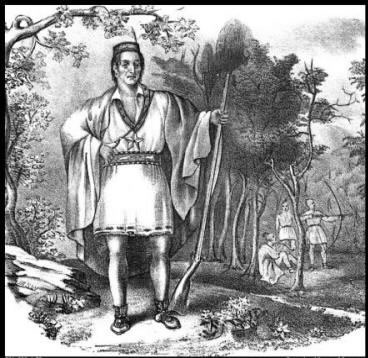
As the Puritans continued to colonize New England, localized Indian uprisings were fairly common as they became displaced. In 1637, the Pequots of New England were massacred by Massachusetts and Connecticut militia, and most uprisings ceased. Wearing Out Their WelcomeInitially welcoming and peaceful toward the Puritans, the Massachusetts Native Americans were soon displaced from their land and were forced to accept missionaries interfering in their affairs. The Wampanoag chief, Massasoit, who helped the Plymouth colonists survive, died in 1661, leaving his son, Metacom, in charge. Metacom was much less enthusiastic about the presence of the Puritan settlers than his father, and distrusted them greatly. In 1675, Metacom, known in England King Phillip, launched a massive attack against the Puritans in an attempt to save his people's way of life. He organized a great army which included disgruntled members of other New England tribes. His armies obliterated White settlements near Plymouth and in western Massachusetts. In Rhode Island, the town of Providence was destroyed. Terrible Violence an the Death of MetacomThe White settlers responded with brutal force and more or less exterminated all of the original New England tribes. King Phillip's War unfolded in an all too familiar sequence of events - by White settlers provoking the Natives to war by invading and stealing their land, and then annihilating them when the Indians responded with violence. The war was thought to be the deadliest 17th century war between Native Americans and colonists. The war ended when Metacom was tracked down and killed by Massachusetts militia. In all, it is thought that over 5,000 Native Americans died in battle, or of disease during the war. At least 1,000 were sold into slavery. Charter RevokedIn response to the Indian annihilation in Massachusetts, as well as various acts of insubordination, such as intolerance toward other sects, coining money without the crown's permission, and the failure to enforce the 1660 Navigation Act (certain goods such as Tobacco and Sugar could only be exported to European countries by way of England), King Charles II revoked the charter of the Massachusetts Bay Colony. Discussion Questions
Glossary
Conflict with Native AmericansAs the Puritans settled more land in New England, Native American tribes were pushed off their land. In 1637, the Pequot tribe was attacked and defeated by militias from Massachusetts and Connecticut. After that, most tribes stayed quiet—at least for a while. Growing TensionsAt first, many Native Americans welcomed the Puritans. But over time, they lost land and had to deal with missionaries changing their way of life. In 1661, Wampanoag chief Massasoit died. His son, Metacom, became the new leader. Unlike his father, Metacom did not trust the settlers. King Philip's WarIn 1675, Metacom—called King Philip by the English—started a major war to protect his people’s way of life. He joined with other tribes and attacked towns in Massachusetts and Rhode Island. Providence was completely destroyed. Violence and Metacom’s DeathThe colonists struck back with great force. Thousands of Native Americans were killed or died of disease. Over 1,000 were captured and sold as slaves. Metacom was eventually killed by the Massachusetts militia. The war was one of the deadliest in the 1600s between colonists and Native Americans. Massachusetts Charter RevokedAfter the war, King Charles II punished the Massachusetts colony. He took away their charter. He was also upset that the colony didn’t follow English laws, made their own coins, and treated other religious groups badly. |
| King Philip's War Activities |