 |
Day 1: Understanding the Map
The first lesson of our 13 Colonies unit focuses on the 13 Colonies map and regions, guiding teachers as they lead students through the process of creating their own colonies-and-regions map—either online or using a printable outline map. |
|
 |
Day 2-3: The Lost Colony of Roanoke
This lesson explains the incredible mystery of the Lost Colony of Roanoke. It contains a detailed and differentiated lesson plan, a Power Point presentation, a Choose Your Own Adventure story, biographies, and numerous literacy, writing, and critical thought activities. |
|
 |
Days 4-6: Jamestown
This three-day lesson explores everything that happened at Jamestown including its settlement, leadership, the Starving Time, the kidnapping of Pocahontas, the birth of slavery, the production of Tobacco, and the institution of the Headright System. It includes a detailed lesson plan, Power Point presentation, numerous literacy and reading comprehension activities, an animated John Smith comprehension story, and creative writing prompts and challenging games. |
|
 |
Day 7: House of Burgesses
This lesson introduces the representative government established at Jamestown through the House of Burgesses. It includes a detailed, differentiated lesson plan, a leveled article, reading comprehension activities, and a creative writing prompt. |
|
 |
Day 8: Southern Colonies
This lesson introduces the geography, history, and characteristics of the Southern Colonies. It inlcudes a detailed lesson plan, a Power Point Presentation, differentiated articles on each of the Southern Colonies, and numerous literacy and comprehension options. |
|
 |
Day 9-10: The Pilgrims and the Plymouth Colony
This comprehensive lesson includes a detailed, differentiated lesson plan; a scripted PowerPoint presentation; two interactive comprehension stories; a primary source analysis activity; and numerous additional literacy and reading comprehension tasks. It covers a wide range of topics, including the Mayflower, religious freedom, the Pilgrims, the Mayflower Compact, Squanto and the Wampanoag, and the first Thanksgiving. |
|
 |
Day 11: The Puritans
This lesson explores Puritan life and culture in Colonial New England through a detailed lesson plan, a scripted PowerPoint presentation, and a variety of literacy, comprehension, and writing activities. |
|
 |
Day 12: Dissenters: Roger Williams and Anne Hutchinson
This lesson explores the lives of Roger Williams and Anne Hutchinson—Puritan dissenters who advocated for religious tolerance, peaceful relations with Native peoples, and greater freedom from the strict rules of Puritan society. It includes a detailed, differentiated lesson plan; a scripted PowerPoint presentation; and several reading comprehension activities and writing prompts.
|
|
 |
Day 13: Fundamental Orders of Connecticut
This lesson introduces students to the Fundamental Orders of Connecticut—the original governing document of the Connecticut Colony—and its creator, Thomas Hooker. It includes a scripted PowerPoint presentation, a differentiated article, and several literacy activities, including a differentiated online or printable reading comprehension passage with questions and a Super Cloze Series contextual vocabulary exercise available in both online and printable formats. |
|
 |
Day 14: Puritan Wars - The Pequot War and King Phillip's War
This lesson examines the violent conflicts between the Puritans and the Native peoples of New England known as the Pequot War and King Philip’s War. It includes a scripted PowerPoint presentation, interactive battle maps, differentiated articles, and several literacy activities, including a differentiated online or printable reading comprehension passage with questions and a Super Cloze Series contextual vocabulary exercise available in both online and printable formats. |
|
 |
Day 15: Salem Witch Trials
This lesson guides students through one of the most fascinating periods in the young nation’s history—the Salem Witch Trials. It includes a scripted PowerPoint presentation; a differentiated article with discussion questions and a glossary; numerous literacy activities, including a primary source “Super Comprehension” task; and a fun culminating project in which students create a Welcome to Salem billboard, either online or on paper. |
|
 |
Day 16 - The New England Colonies
This lesson explores the location, climate, economy, and religions of the New England Colonies. It includes a scripted PowerPoint presentation, a detailed lesson plan, a differentiated article, and numerous literacy activities. Optional extensions are also provided, including articles on individual colonies and additional activities related to Plymouth, Salem, Squanto, and more.
|
|
 |
Day 17: Mid-Atlantic Colonies
This lesson explores the location, climate, economy, and religions of the Mid-Atlantic Colonies. It includes a scripted PowerPoint presentation, a detailed lesson plan, a differentiated article, and numerous literacy activities. Optional extensions are also provided, including articles on individual colonies.
|
|
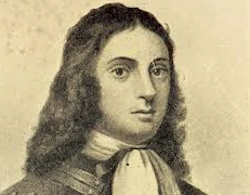 |
Day 18: William Penn and the Quakers
This lesson explores the arrival of the Quakers in Pennsylvania and explains how their religious beliefs shaped the colony’s culture. It includes a detailed lesson plan, a scripted PowerPoint presentation, and numerous literacy activities, including an auto-graded short essay question.
|
|
 |
Day 19: Artisans and Trades
This engaging lesson offers a deep dive into the colonial artisans and trades that powered the economies of the Mid-Atlantic colonies. It includes a scripted PowerPoint presentation with discussion questions, an interactive colonial town center, multiple scavenger hunts and literacy activities, as well as a colonial trades shopping game and an interactive matching exercise. |
|
 |
Day 20: Finale and Review
If you’ve made it this far, you’ve almost completed this epic 13 Colonies unit! This lesson includes a detailed lesson plan and an interactive review map of the 13 Colonies featuring a variety of scavenger hunts. It also offers three fun, interactive games to play with your students as a celebration to wrap up the unit.
|
|
|
|