 |
Connecticut
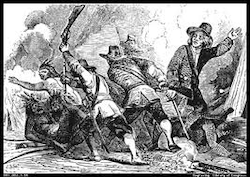
The Connecticut Colony was founded in the 1630s by Puritans seeking greater religious and political freedom. It became known for the Fundamental Orders of Connecticut, one of the first written constitutions in the New World, which established a representative government.
|
|
 |
Delaware
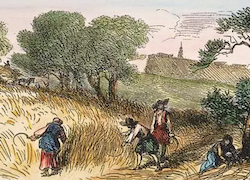
The Delaware Colony was originally settled by the Dutch and Swedes before coming under English control in the mid-1600s. It later became a separate colony from Pennsylvania and was known for its rich farmland, trade along the Delaware River, and religious tolerance.
|
|
 |
Georgia
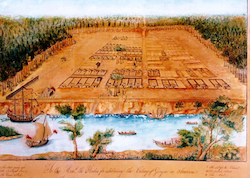
The Georgia Colony was founded in 1732 by James Oglethorpe as a place for debtors and the poor to start anew and as a buffer against Spanish Florida. It became known for its strict rules early on, but eventually grew into a thriving agricultural colony.
|
|
 |
Maryland
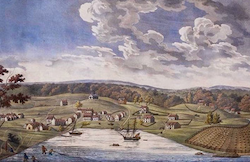
The Maryland Colony was founded in 1634 by Lord Baltimore as a refuge for English Catholics facing persecution. It became known for its religious tolerance and its role in passing the Maryland Toleration Act, one of the first laws protecting religious freedom in the colonies. |
|
 |
Massachusetts
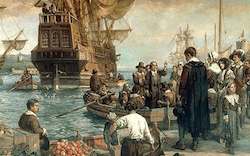
The Massachusetts Colony was founded in 1630 by Puritans seeking religious freedom and the opportunity to build a society based on their religious beliefs. It became one of the most influential New England colonies, known for its role in education, trade, and early democratic practices. |
|
 |
New Hampshire
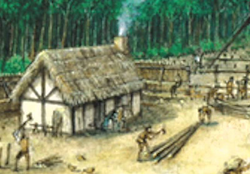
The New Hampshire Colony was founded in 1623 as a fishing and trading settlement along the Atlantic coast. Over time, it developed into a separate colony with a strong economy based on timber, shipbuilding, and small-scale farming. |
|
 |
New Jersey
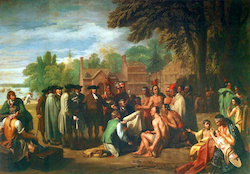
The New Jersey Colony was founded in 1664 after the English took control from the Dutch and granted the land to Lord Berkeley and Sir George Carteret. It became known for its religious tolerance, diverse population, and fertile land ideal for farming. |
|
 |
New York
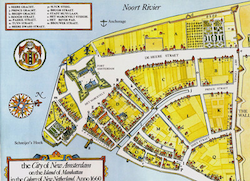
The New York Colony was originally settled by the Dutch as New Netherland but was taken over by the English in 1664 and renamed in honor of the Duke of York. It became a thriving trade and cultural center due to its strategic location and diverse population. |
|
 |
North Carolina
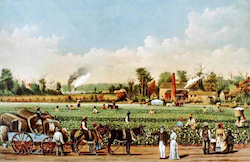
The North Carolina Colony was founded in the 1600s as part of the larger Province of Carolina and became a separate colony in 1712. It was known for its small farms, naval stores, and a strong spirit of independence among its settlers.
|
|
 |
Pennsylvania
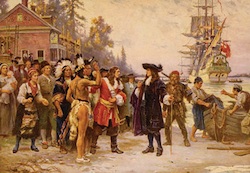
The Pennsylvania Colony was founded in 1681 by William Penn as a haven for Quakers and others seeking religious freedom. It quickly grew into a prosperous and diverse colony known for its tolerance, fertile farmland, and thriving city of Philadelphia. |
|
 |
Rhode Island
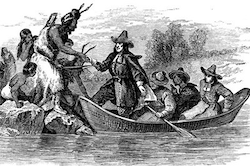
The Rhode Island Colony was founded by Roger Williams in 1636 as a refuge for those seeking religious freedom and separation of church and state. It became known for its tolerance, democratic principles, and peaceful relations with Native Americans. |
|
 |
South Carolina
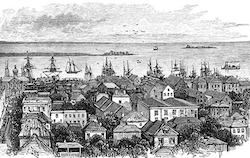
The South Carolina Colony was founded in 1670 by English settlers and became known for its large plantations and profitable cash crops like rice and indigo. Its economy relied heavily on enslaved labor, and it developed a wealthy, aristocratic society. |
|
 |
Virginia
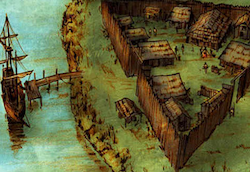
The Virginia Colony, founded in 1607 at Jamestown, was the first permanent English settlement in North America. It became economically successful through tobacco farming and played a key role in the development of representative government with the establishment of the House of Burgesses in 1619. |
|