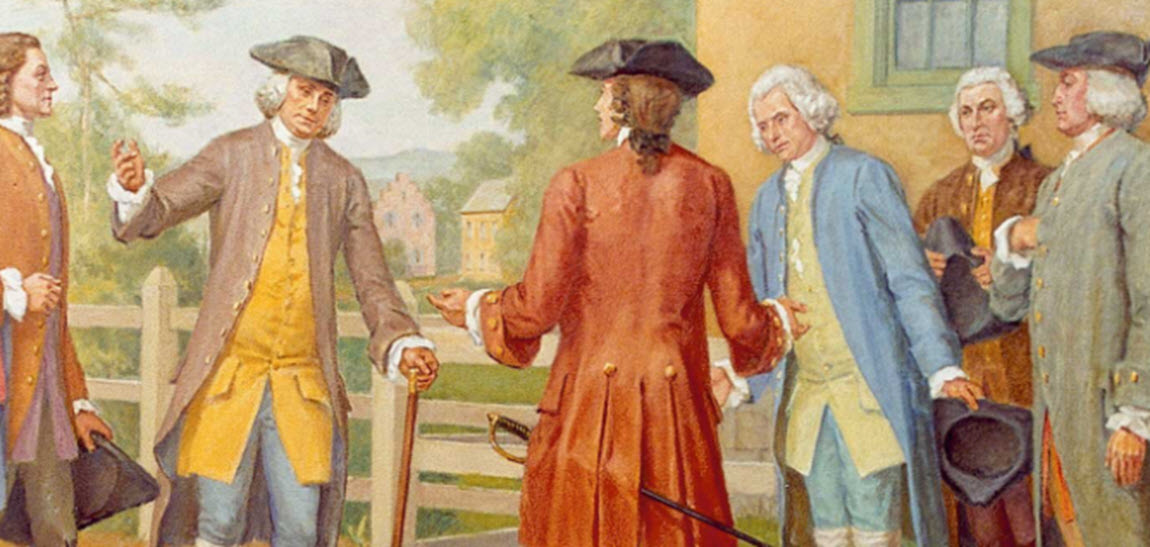
Albany Congress |
|
The Albany Congress, held in June and July of 1754 in Albany, New York, was convened against the backdrop of escalating tensions between the British colonies and the French Empire in North America. With both European powers vying for control of strategic territories and lucrative fur trade routes, colonial leaders recognized the need for a unified response to the looming threat of conflict and encroachment.
The Albany Plan of UnionAt the heart of the Albany Congress was the Albany Plan of Union, a visionary proposal put forth by Benjamin Franklin and Thomas Hutchinson, among others, aimed at establishing a centralized colonial government with authority over defense, Indian affairs, and trade regulation. The plan called for the creation of a grand council composed of representatives from each colony, empowered to levy taxes, raise troops, and negotiate treaties on behalf of the collective. At Least the Colonies Proved They Could UniteWhile the Albany Plan of Union ultimately failed to gain the approval of the colonial assemblies or the British government, its significance lies in its recognition of the need for collective action and cooperation in the face of external threats. By proposing a framework for intercolonial governance and coordination, the Albany Congress set a precedent for future efforts to unite the colonies in pursuit of common goals. Despite the failure to adopt the Albany Plan in its entirety, the congress did yield some tangible outcomes. Delegates from seven colonies—Massachusetts, New Hampshire, Connecticut, Rhode Island, New York, Pennsylvania, and Maryland—unanimously endorsed a resolution calling for the establishment of a colonial union for mutual defense. Additionally, the congress initiated discussions on the need for greater cooperation in Indian affairs and border defense, laying the groundwork for future collaborations. Discussion Questions
Glossary
Why the Albany Congress HappenedIn June and July of 1754, colonial leaders met in Albany, New York, to discuss growing problems with the French. Both the British and French wanted control over land and the fur trade in North America. The colonies knew they had to work together to protect themselves. The Albany Plan of UnionBenjamin Franklin and Thomas Hutchinson suggested a plan called the Albany Plan of Union. It said that the colonies should create one central government to handle defense, trade, and Indian affairs. The plan included a council made up of leaders from each colony. This council could collect taxes, raise an army, and make treaties. A First Step Toward UnityEven though the plan was never approved by the colonies or the British, it was important because it showed the colonies could work together. It was one of the first times they seriously talked about joining forces to solve common problems. What Was AccomplishedSeven colonies—Massachusetts, New Hampshire, Connecticut, Rhode Island, New York, Pennsylvania, and Maryland—agreed they needed to unite for defense. They also talked about working together on issues with Native American tribes and protecting their borders. These talks helped set the stage for future teamwork between the colonies. |