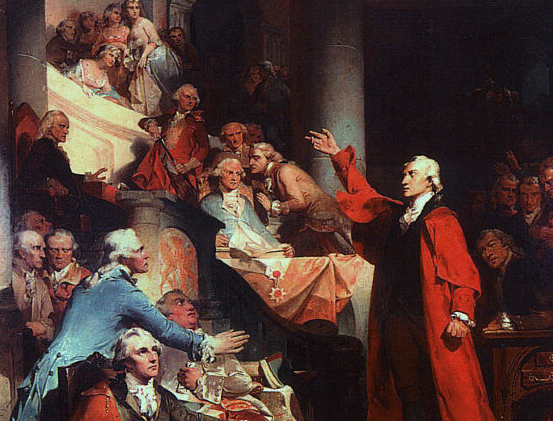
The House of Burgesses |
|
First Representatitve GovernmentAs the settlement of Jamestown became more successful, the strict rules and harsh consequences doled out by governors such as Thomas Dale quickly became outdated and unnecessary. In 1619, George Yeardley was elected the new governor of Virginia. Yeardley's primary goal as governor was to ensure that Virginians would have the same rights as those living in England. Yeardley quickly established the first representative government (officials to represent the people) in the New World and scheduled annual meetings in which laws and rules based on popular will were formulated. The House of BurgessesThe first meeting of the House of Burgesses (representative government) occurred on July 30, 1619. The House of Burgesses was made up of 22 men, two men representing each of Virginia's 11 "plantations" or counties. The major goal of the House of Burgesses was to change the law as imposed by Thomas Dale. Yeardley signed off on the changes which effectively ended martial law in Jamestown and resulted in new found freedoms among the settlers. The House of Burgesses effectively represented the first form of democracy to ever reign in the New World. It resulted in the formation of new social and economic institutions such as Virginia's undemocratic slave-labor workforce. Discussion Questions
Glossary
IntroductionAs Jamestown grew and became more successful, the strict rules used by earlier governors were no longer needed. In 1619, George Yeardley became the new governor of Virginia. He wanted the people in Virginia to have the same rights as those living in England. So, he set up the first representative government in the New World. The House of BurgessesThe first meeting of this new government, called the House of Burgesses, happened on July 30, 1619. It had 22 men—two from each of Virginia’s 11 areas or "plantations." The House of Burgesses worked to change old laws created by former governor Thomas Dale. Governor Yeardley agreed with the changes, and harsh military laws in Jamestown were ended. People had more freedom, and new systems for business and farming were created—including, sadly, systems that depended on enslaved labor. |
House of Burgesses Activities |