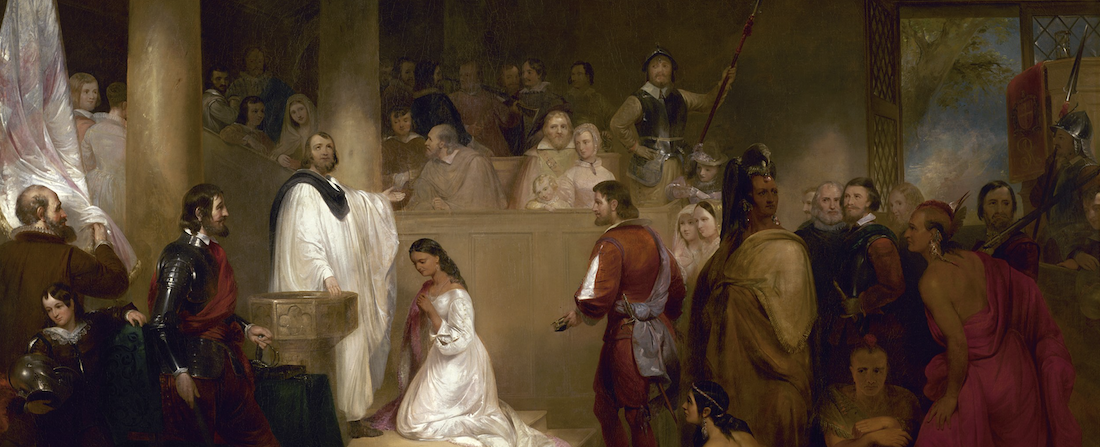
The Kidnapping of Pocahontas |
IntroductionThe story of Pocahontas, the Native American woman who allegedly saved the life of English colonist John Smith and fostered peace between the Powhatan tribe and the Jamestown settlers, has captivated imaginations for centuries. However, behind the romanticized narrative lies a darker chapter in history: the controversial abduction of Pocahontas by English colonists. This event, often overshadowed by the myth of Pocahontas, sheds light on the complex and often turbulent interactions between Native Americans and European colonizers in early America. Why?In the early 17th century, the Virginia colony was fraught with tension and conflict between English settlers and the indigenous Powhatan Confederacy, led by Chief Powhatan. Against this backdrop, Pocahontas, the daughter of Chief Powhatan, emerged as a key figure in the relationship between the two cultures. Her interactions with the English, particularly her alleged intervention to save John Smith, have been romanticized and mythologized over the years. The Kidnapping IncidentIn 1613, tensions between the English and Powhatan escalated, leading to a violent confrontation. During a visit to the Patawomeck tribe, Pocahontas was captured by English colonists under the command of Captain Samuel Argall. Some historians argue that her abduction was part of a strategy to leverage her as a bargaining chip in negotiations with Chief Powhatan, while others view it as a calculated move to exert control over the indigenous population. The circumstances surrounding Pocahontas's abduction have been a subject of debate among historians. Some argue that she was taken by force, while others suggest that her capture may have been orchestrated with the cooperation or consent of members of her own tribe. Life in CaptivityFollowing her capture, Pocahontas was taken to Jamestown, where she was held captive for over a year. During this time, she was baptized as "Rebecca" and converted to Christianity. She also met and eventually married English colonist John Rolfe, a union that was seen as a symbol of reconciliation between the English and Powhatan tribes. Discussion Questions
Glossary
IntroductionPocahontas was a Native American woman known for helping bring peace between her tribe, the Powhatan, and English settlers at Jamestown. Many people have heard the story of how she saved John Smith, but few know that she was actually kidnapped by the English in 1613. Why Was Pocahontas Important?Pocahontas was the daughter of Chief Powhatan, the leader of many Native American tribes in Virginia. In the early 1600s, the English and Native Americans often did not get along. Pocahontas tried to help both sides understand each other better. The KidnappingIn 1613, the English captured Pocahontas during a time of growing conflict. Captain Samuel Argall led the kidnapping while Pocahontas was visiting another tribe. The English wanted to use Pocahontas to make her father, Chief Powhatan, agree to their demands. Some historians believe members of her own tribe may have helped with her capture. Life in CaptivityPocahontas was taken to Jamestown and held there for over a year. During this time, she learned about Christianity, was baptized, and took the name Rebecca. She later married an English settler named John Rolfe. Many people saw their marriage as a way to bring peace between the English and Native Americans. |