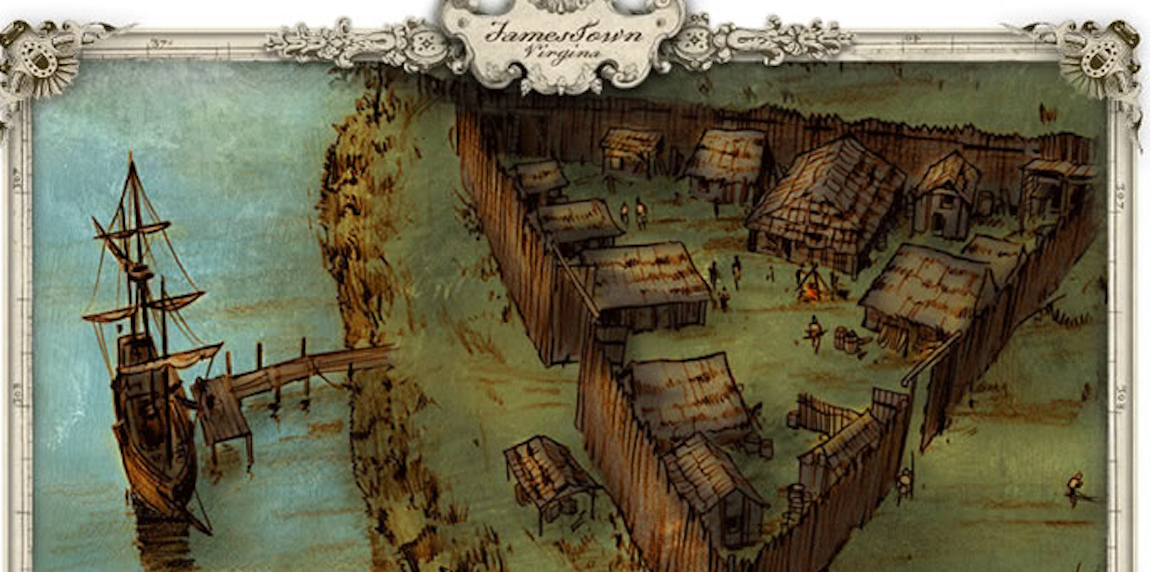
The Starving Time |
The Starving Time refers to the winter of 1609-1610, a period of unparalleled hardship endured by the settlers of Jamestown. In the years following its establishment in 1607, the colony had encountered numerous challenges, including conflicts with indigenous peoples, disease outbreaks, and struggles to establish viable agricultural practices. However, it was the winter of 1609 that would test the resilience of the settlers like never before. Why did it Happen?Several factors converged to precipitate the crisis of the Starving Time. Chief among them was a combination of poor planning, environmental conditions, and strained relations with the local Powhatan Confederacy. In the summer of 1609, a fleet of supply ships sent by the Virginia Company to resupply the colony was scattered by a hurricane, depriving Jamestown of much-needed provisions. This setback, compounded by a severe drought, left the settlers facing dire food shortages as winter approached. Then, the situation was compounded after one of the settlers accidentally burned down much of the settlement. Chief Powhatan, convinced of the vulnerability of the colony, and seeing an opportunity to cripple it, halted all trade with the settlers after John Smith returned to England following a gunpowder accident. John Smith was the only colonist who had gained the respect and fear of Powhatan and his people. Trade with Powhatan was largely dependent on John Smith's influence. The SufferingAs the winter of 1609 set in, the situation in Jamestown grew increasingly dire. With food supplies dwindling rapidly and no relief in sight, the settlers resorted to desperate measures to survive. Accounts from the period speak of widespread starvation, with some colonists reduced to eating rats, snakes, and even leather to stave off hunger. Disease, exacerbated by malnutrition and unsanitary living conditions, ravaged the population, further decimating their ranks. Settlers venturing outside the confines of Jamestown in an attempt to hunt or trade were often killed by the Powhatans. The harsh winter took a devastating toll on the inhabitants of Jamestown. By the spring of 1610, of the original 500 settlers, only around 60 remained alive. The colony teetered on the brink of collapse, its survival hanging in the balance. ReliefHowever, the arrival of a relief expedition led by Captain Thomas West, 3rd Baron De La Warr, in June 1610, provided a lifeline to the beleaguered colony. The timely arrival of supplies helped to stabilize the situation in Jamestown and avert total catastrophe. The arrival of hundreds of new settlers also enabled the colony to effectively defend itself against Powhatan, ending the Starving Time and beginning a new era of permanence in American history. Main Ideas
Why It MattersThe Starving Time showed how unprepared the English were to survive in the New World. It also revealed the importance of leadership, food supplies, and peaceful relations with Native peoples. The survival of Jamestown helped ensure the success of future English colonies. Discussion Questions
Glossary
What Was the Starving Time?The Starving Time was the deadly winter of 1609–1610 at Jamestown. Settlers had already faced many problems since arriving in 1607, like disease and conflict with Native Americans, but this winter was the worst of all. Why Did It Happen?The crisis began when a supply fleet was destroyed by a hurricane in 1609, leaving Jamestown without enough food. A fire also destroyed much of the settlement. Then, after leader John Smith left due to injury, relations with the Powhatan tribe fell apart. Chief Powhatan stopped trading food with the settlers, making the situation even worse. The SufferingWith no food, settlers ate rats, snakes, leather, and anything else they could find. Many died of starvation or disease. The Powhatan people also attacked anyone who left the fort. Of the 500 settlers, only 60 were alive by spring. Relief ArrivesIn June 1610, help finally arrived. Lord De La Warr brought food, new settlers, and strong leadership. This saved Jamestown from failure and helped it grow stronger. |