The Sugar Act |
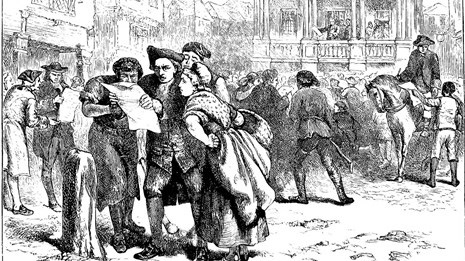
The Sugar Act of 1764 was a British law passed by the British government in order to raise revenue from the American colonies. The law placed a tax on sugar and other goods imported into the colonies, and was intended to help pay off the large debt the British government had accumulated during the French and Indian War. The Sugar Act was a significant change from previous British trade policies towards the American colonies, which had largely been based on a lack of enforcement. Under this policy, the British government had largely left the colonies to govern themselves, and had not imposed many taxes or trade restrictions on them. This act was met with widespread opposition in the colonies, as many colonists felt that it was a violation of their rights as British subjects. They argued that they should not be taxed without their consent, and that the tax would hurt their economic interests. Furthermore, it led to a significant increase in smuggling and other forms of resistance in the colonies. Many colonists began to evade the tax by importing goods through illegal channels, and others began to organize protests and boycotts against the law. The Sugar Act was also one of the first steps in a series of British actions that would eventually lead to the American Revolution. The law, along with the Quartering Act of 1774 and the Stamp Act of 1765, contributed to growing resentment and anger towards the British government among the colonists, which ultimately led to the decision to break away from British rule. Main Ideas
Why It MattersThe Sugar Act was one of the first British laws to anger American colonists and make them feel unfairly treated. It showed how taxes could cause serious disagreements between Britain and the colonies and helped start the path to independence. Discussion Questions
Glossary
What Was the Sugar Act?The Sugar Act was a British law passed in 1764. It placed a tax on sugar and other goods brought into the American colonies. The goal was to raise money to help pay off the large debt Britain had from the French and Indian War. Why Did the Colonists Oppose It?Many colonists believed the Sugar Act was unfair. They thought they should not be taxed without their consent and that only their own colonial governments had the right to tax them. The tax also hurt their businesses, especially merchants and shipowners. How Did the Colonists Respond?Colonists reacted with protests and boycotts. Some began smuggling goods to avoid paying the tax. Others held public meetings to speak out against the law. The Sugar Act was one of the first big steps toward colonial resistance. A Step Toward RevolutionThe Sugar Act was part of a larger group of unpopular British laws. Other laws like the Stamp Act and the Quartering Act followed. These laws caused more anger in the colonies and helped lead to the American Revolution. |