The Triangular Trade |
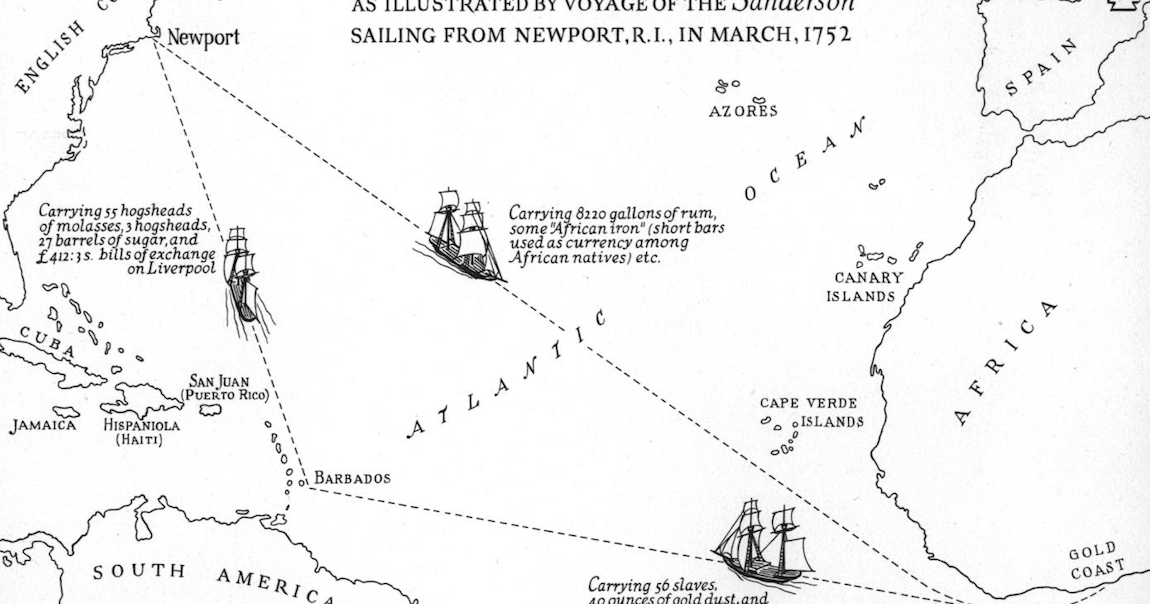
IntroductionThe colonial triangular trade was one of the defining economic systems of the early modern period, shaping the destinies of nations and continents through a complex network of trade routes. This trade network, which connected Europe, Africa, and the Americas, facilitated the exchange of goods, people, and ideas but also fueled the rise of global capitalism and exploitation on an unprecedented scale. The Structure of the Triangular TradeThe triangular trade was so named because of the triangular pattern of trade routes that linked Europe, Africa, and the Americas. The trade operated on three main routes: Europe to Africa: European traders transported goods such as firearms, textiles, and alcohol to Africa, where they were exchanged for enslaved Africans. Africa to the Americas: Enslaved Africans were then transported across the Atlantic Ocean to the Americas, where they were sold to plantation owners and put to work on plantations producing cash crops such as sugar, tobacco, and cotton. Americas to Europe: The profits from the sale of cash crops were then used to purchase raw materials such as sugar, tobacco, and cotton, which were shipped back to Europe to be manufactured into finished goods. Economic ImpactThe triangular trade played a central role in the development of global capitalism and the growth of the European economy. It provided European nations with a steady supply of raw materials and cheap labor, fueling industrialization and economic growth. The trade also enriched merchants and traders who profited handsomely from the sale of enslaved Africans and the commodities produced on plantations in the Americas. Human CostWhile the triangular trade brought immense wealth to European nations and their colonies, it exacted a devastating human toll on enslaved Africans and indigenous peoples. Millions of Africans were forcibly removed from their homelands, transported across the Atlantic Ocean under horrific conditions, and subjected to slavery on plantations in the Americas. The trade also led to the decimation of indigenous populations in the Americas through violence, disease, and displacement. Discussion Questions
Glossary
What Was the Triangular Trade?The triangular trade was a trading system between Europe, Africa, and the Americas. Goods, people, and raw materials were moved between these places in a pattern that formed a triangle across the Atlantic Ocean. How It WorkedThe trade had three main parts:
Why It MatteredThe triangular trade helped Europe grow richer and more powerful. It gave European countries cheap labor and raw materials that helped them build factories and grow their economies. The Human CostThe trade was very harmful to millions of people. Enslaved Africans were taken from their homes and forced to work under brutal conditions. Native peoples in the Americas also suffered from disease, violence, and being pushed off their land. |