Indentured vs Enslaved |
|
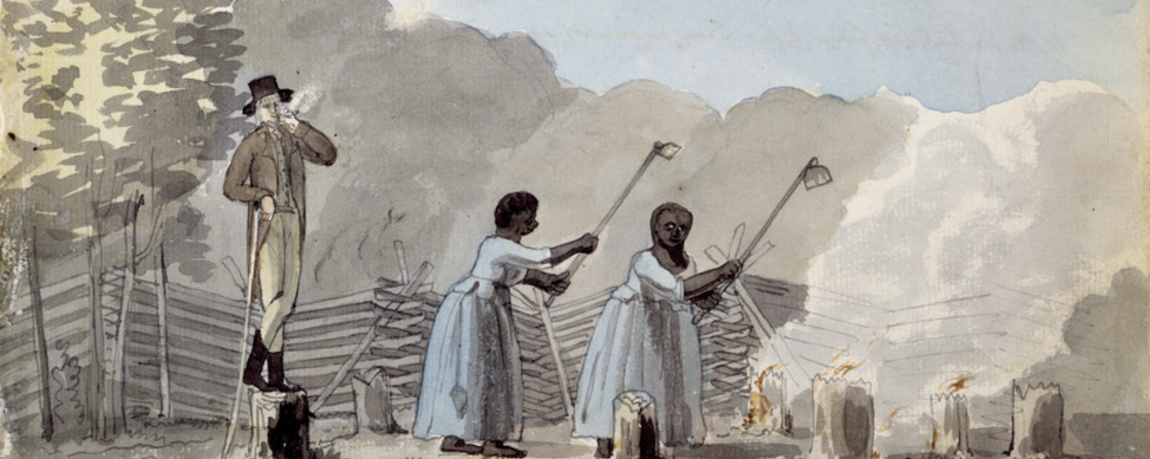
IntroductionThe labor force of Colonial America was shaped by two distinct yet intertwined forms of bondage: slavery and indentured servitude. While both systems involved laborers working under harsh conditions for little to no pay, there were fundamental differences in their legal status, treatment, and prospects for freedom. Origins and Legal StatusThe institution of slavery in colonial America was firmly rooted in race-based slavery, where individuals were considered property and their enslavement was hereditary. Slavery primarily targeted Africans, who were forcibly transported to the colonies and subjected to lifelong servitude. In contrast, indentured servitude emerged as a contractual arrangement, typically involving Europeans who voluntarily agreed to work for a set period (usually five to seven years) in exchange for passage to the New World or other benefits. Conditions of LaborBoth slaves and indentured servants faced grueling conditions and brutal treatment at the hands of their masters. Slaves endured a lifetime of bondage, forced labor, and dehumanization, with little hope of ever attaining freedom or autonomy. Indentured servants, while technically free after completing their term of service, often faced harsh treatment, exploitation, and limited opportunities for advancement in colonial society. Legal Protections and RightsSlaves were denied basic legal rights and protections, treated as property rather than as human beings. They had no recourse to the law and could be bought, sold, or traded at their master's discretion. In contrast, indentured servants were entitled to certain legal rights and protections under their contracts, although these were often flouted or ignored by unscrupulous masters. Prospects for FreedomOne of the starkest differences between slaves and indentured servants lay in their prospects for freedom and social mobility. For slaves, freedom was a distant and elusive dream, with only a small minority ever gaining emancipation through manumission, escape, or legal action. In contrast, indentured servants had the potential to obtain their freedom after fulfilling their contractual obligations, although many faced additional challenges in establishing themselves as free individuals in colonial society. Discussion Questions
IntroductionIn Colonial America, two major labor systems developed: slavery and indentured servitude. Both involved hard work with little or no pay, but they were very different in how they worked and how people were treated. Origins and Legal StatusSlavery was based on race and lasted a person’s whole life. People from Africa were taken by force and sold as property. Their children were also born into slavery. Indentured servants were usually Europeans who agreed to work for 5 to 7 years in exchange for a trip to the New World. They were not considered property. Conditions of LaborBoth slaves and indentured servants worked very hard and were often treated badly. Slaves had no chance for freedom and were forced to work for life. Indentured servants were supposed to be free after their time ended, but many still faced abuse and had trouble improving their lives. Legal Protections and RightsSlaves had no legal rights and could be bought or sold. They were treated as things, not people. Indentured servants had some rights in their contracts, but many masters broke the rules and treated them unfairly. Prospects for FreedomMost slaves stayed enslaved for life, and very few ever became free. Indentured servants had a better chance of gaining freedom after finishing their time, but starting a new life was still difficult. |