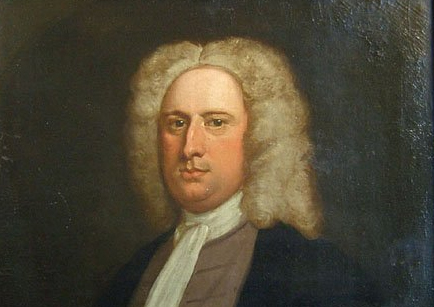
Lord's Proprietors |
George Carteret |
The Province of CarolinaThe Lords Proprietors was a group of eight English noblemen awarded the Province of Carolina in 1663 by Charles II for its efforts in helping him regain the throne. One of the proprietors, known as Lord Shaftsbury, drafted the Fundamental Constitution of Carolina, the colony's first set of governing laws. As part of the constitution, the "eldest" of the Proprietors was named the "Palatine," or, leader of the group. George Monck, Duke of Albemarle, was named as the colony's Palatine. Two other proprietors, John Berkeley and George Carteret, were important figures in the Province of New Jersey as well. Constantly AttackedThe Lord's Proprietors offered religious freedom, freedom from taxes called quitrents, political representation in government, and large land grants for English settlers who agreed to settle in Carolina. By 1700, over 6,600 settlers had come to Carolina, and by 1712, the colony was split between North and South Carolina. The settlers, however, were in constant danger from attacks by the Spanish and the local natives. Between 1712 and 1716, the settlers fought off large-scale attacks from the Spanish, French, and natives in both Queen Anne's War and the Yamassee War. In 1729, seven of the eight original Lord's Proprietors (or their heirs) sold their interests in the colony back to the Crown. Only John Carteret, heir of George Carteret retained his interest. Discussion Questions
The Province of CarolinaThe Lords Proprietors were eight English noblemen who were given the Province of Carolina in 1663 by King Charles II. One of the proprietors, Lord Shaftsbury, helped write the colony’s first laws, known as the Fundamental Constitution of Carolina. The oldest proprietor was called the “Palatine,” or leader, and this role went to George Monck, Duke of Albemarle. Two other proprietors, John Berkeley and George Carteret, also played important roles in the Province of New Jersey. Settling the LandThe Lords Proprietors promised land, religious freedom, no taxes (called quitrents), and a say in government to attract settlers. By 1700, over 6,600 people had moved to Carolina. In 1712, the colony officially split into North and South Carolina. Conflict and ChangeSettlers faced many dangers, including attacks by Spanish, French, and native groups. From 1712–1716, they fought in Queen Anne’s War and the Yamassee War. In 1729, seven of the eight proprietors sold their shares back to the King. Only John Carteret, heir to George Carteret, kept his portion of the colony. |