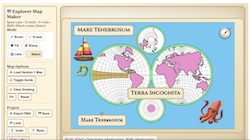
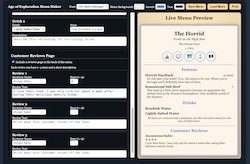
The Age of Exploration |
||||||||||||||||||||||||||||||||||||||
 |
||||||||||||||||||||||||||||||||||||||
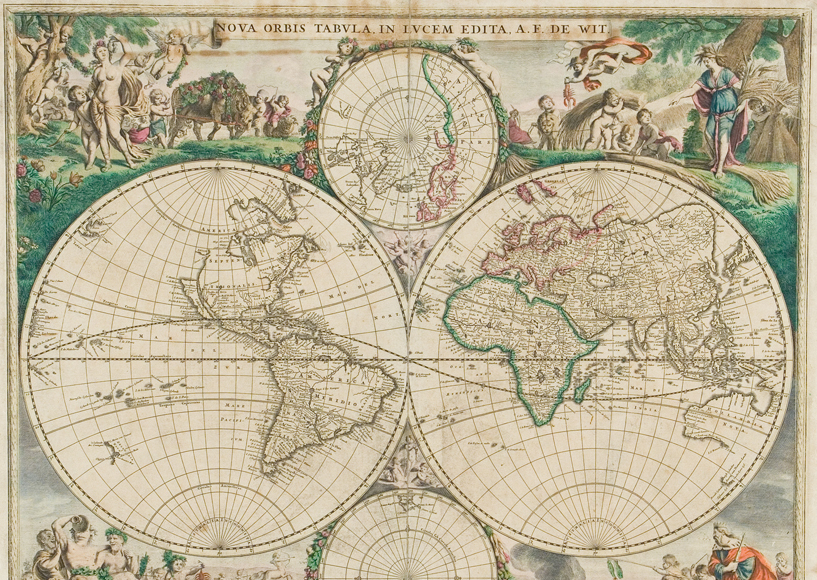
| The Age of Exploration was a period from the 1400s to the 1700s when European countries explored and mapped the world beyond their borders. Driven by a desire for new trade routes, wealth, and knowledge, explorers like Christopher Columbus, Vasco da Gama, and Ferdinand Magellan set sail across uncharted oceans. Advances in navigation, shipbuilding, and cartography made long sea voyages possible. European powers such as Spain, Portugal, England, and France established colonies and claimed lands in the Americas, Africa, and Asia. While the Age of Exploration expanded global connections and led to cultural exchange, it also brought disease, conquest, and exploitation to Indigenous peoples. This era greatly influenced the development of the modern world and shaped international trade, politics, and culture. | ||||||||||||||||||||||||||||||||||||||
Our Content: |
||||||||||||||||||||||||||||||||||||||
|
||||||||||||||||||||||||||||||||||||||