Spanish Exploration in the New World |
|||||||||||||||||||||||||||||||||||||||||||||||||||||||||||||||||||||||||||||||||||||||||||||||||||||||||||||||||||||||||||||||||||||
Why Spain Turned to ExplorationIn the late 1400s, Spain emerged as one of the most powerful nations in Europe. After uniting under King Ferdinand and Queen Isabella, Spain sought new ways to increase wealth and influence. At this time, valuable goods such as spices, silk, and gold were traded along long, dangerous land routes that stretched across Asia. When Portugal found a sea route around Africa, Spain began looking for its own route to the riches of Asia. This search led to some of the most famous voyages in history—voyages that would bring Spain to the continents we now call the Americas. Christopher Columbus and the “New World”Christopher Columbus was an Italian navigator who believed he could reach Asia faster by sailing west across the Atlantic Ocean. In 1492, Spain agreed to sponsor his journey. Although Columbus never reached Asia, he landed in the Caribbean and encountered lands and peoples unknown to Europeans. Columbus made four voyages in total and opened the door for Spain to explore, conquer, and settle vast new territories. These discoveries changed world history and began a period of rapid Spanish expansion. Conquistadors and the Search for WealthAfter Columbus, many Spanish explorers—known as conquistadors—traveled to the New World seeking gold, land, and glory. Hernán Cortés led an expedition to Mexico in 1519 and defeated the Aztec Empire. A few years later, Francisco Pizarro conquered the Inca Empire in South America. These victories brought enormous wealth to Spain, including gold, silver, and new farmland. However, they also resulted in the destruction of Indigenous civilizations, the spread of disease, and the loss of traditional cultures.
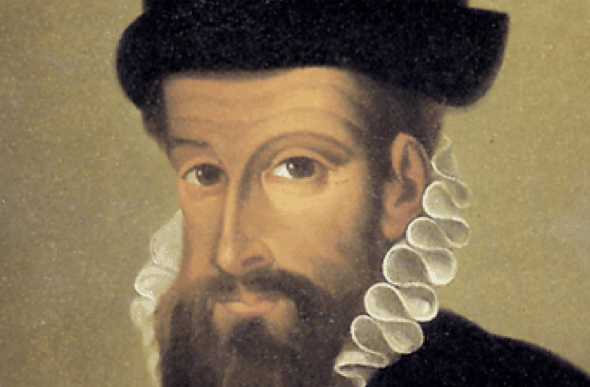
Francisco Pizzaro Other Spanish explorers also played major roles in expanding Spain’s reach in the New World. Juan Ponce de León explored the Caribbean and became the first known European to land in Florida in 1513 while searching for new lands and rumored fountains of healing waters. Hernando de Soto led a large expedition through the southeastern region of North America, becoming the first European to cross the Mississippi River and encountering many Native American cultures along the way. Farther west, Francisco Vásquez de Coronado journeyed across the Great Plains and the American Southwest while searching for the legendary “Seven Cities of Gold.” Meanwhile, Ferdinand Magellan, sailing for Spain, led the first expedition to circumnavigate the globe, proving that the world’s oceans were connected and establishing a route across the Pacific. Although these explorers did not always find the treasures they hoped for, their journeys greatly expanded European knowledge of Earth’s geography and the many Indigenous peoples who lived throughout the Americas.
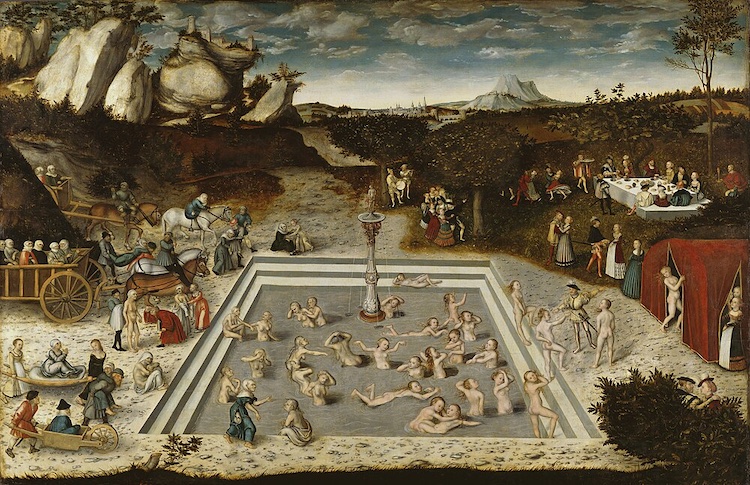
The Fountain of Youth (1546) Lucas Cranach the Elder Impact on the Americas and the WorldSpanish exploration had long-lasting consequences. Spain created a vast empire stretching from modern-day California through Central America and deep into South America. The Spanish introduced their language, religion, and customs throughout these regions. At the same time, the Columbian Exchange began—a massive transfer of plants, animals, ideas, and diseases between Europe, Africa, and the Americas. While Spain gained great wealth and power, Indigenous peoples suffered from warfare, forced labor, and deadly diseases brought by Europeans. Spanish exploration dramatically reshaped the world, for better and for worse, and helped start the global Age of Exploration. Discussion Questions
Glossary
Why Spain ExploredSpain wanted more land, money, and easier ways to trade with Asia. When Portugal found a route around Africa, Spain began looking for its own path. Columbus Reaches New LandsIn 1492, Columbus sailed west hoping to reach Asia, but he landed in the Caribbean instead. His journey led Europeans to discover lands they did not know existed. Conquistadors ArriveSpanish explorers like Cortés and Pizarro came to the Americas looking for gold and power. They defeated the Aztec and Inca Empires and brought great wealth to Spain. Other Spanish explorers also traveled across the Americas and the world. Ponce de León explored the Caribbean and was the first European to reach Florida. Hernando de Soto traveled through the southeastern United States and crossed the Mississippi River. Francisco Coronado explored the Southwest while searching for mythical cities of gold. Ferdinand Magellan led the first voyage to sail all the way around the world, showing that the oceans were connected. These explorers helped Europeans learn more about the land and people of the Americas. How It Changed the WorldSpain built a large empire in the Americas. They brought their language and culture, but their arrival also brought disease and hardship to Indigenous peoples. The world changed as plants, animals, and ideas traveled between continents.
|
|||||||||||||||||||||||||||||||||||||||||||||||||||||||||||||||||||||||||||||||||||||||||||||||||||||||||||||||||||||||||||||||||||||
| Reading Comprehension Activities | |||||||||||||||||||||||||||||||||||||||||||||||||||||||||||||||||||||||||||||||||||||||||||||||||||||||||||||||||||||||||||||||||||||
|
|||||||||||||||||||||||||||||||||||||||||||||||||||||||||||||||||||||||||||||||||||||||||||||||||||||||||||||||||||||||||||||||||||||
| Creative Writing Prompts and Activities | |||||||||||||||||||||||||||||||||||||||||||||||||||||||||||||||||||||||||||||||||||||||||||||||||||||||||||||||||||||||||||||||||||||
| Columbus Day, or Not so Much? - Should Columbus Have his own holiday? If not, who should?
|
|||||||||||||||||||||||||||||||||||||||||||||||||||||||||||||||||||||||||||||||||||||||||||||||||||||||||||||||||||||||||||||||||||||
| Overrated - Was Columbus overrated in history? This prompt challenges students to write about a product, service, team, movie, or something else that is overrated and to explain why.
|
|||||||||||||||||||||||||||||||||||||||||||||||||||||||||||||||||||||||||||||||||||||||||||||||||||||||||||||||||||||||||||||||||||||
| Libel and Slander- Did you know that the Ponce de Leon story - you know - the one that has him spending his life looking for the Fountain of Youth, is a case of libel? It was most likely written in history by "haters" to discredit him. In the spirit of what happened to Ponce de Leon, this prompt challenges students to discuss a siutation they have read about in a book or seen in a movie in which a character is libeled or slandered.
|
|||||||||||||||||||||||||||||||||||||||||||||||||||||||||||||||||||||||||||||||||||||||||||||||||||||||||||||||||||||||||||||||||||||
| Scurvy, a Simple but Elusive Explanation - This activity requires students to write about a modern mystery that they think will be solved by humans in the future - in the same way that the cause of Scurvy was a mystery for hundreds of years.
|
|||||||||||||||||||||||||||||||||||||||||||||||||||||||||||||||||||||||||||||||||||||||||||||||||||||||||||||||||||||||||||||||||||||
| The Greatest Mythical Place - Based on the Iroquoian explanation of the Kingdom of Saguenay to Jacques Cartier, and Coronado's description of the Seven Cities of Cibola, students must describe and draw the greatest mythical place they have ever experienced in a book, movie, or video game! Very fun and engaging.
|
|||||||||||||||||||||||||||||||||||||||||||||||||||||||||||||||||||||||||||||||||||||||||||||||||||||||||||||||||||||||||||||||||||||
Virtual History Teacher - Studies in Elaboration - These fun activities requires students to role play as history teachers grading student tests that reflect poor efforts. "Teachers" must grade the tests and then elaborate on student answers to make them complete answers. |
|||||||||||||||||||||||||||||||||||||||||||||||||||||||||||||||||||||||||||||||||||||||||||||||||||||||||||||||||||||||||||||||||||||
| Fun Stuff | |||||||||||||||||||||||||||||||||||||||||||||||||||||||||||||||||||||||||||||||||||||||||||||||||||||||||||||||||||||||||||||||||||||