Maryland Colony |
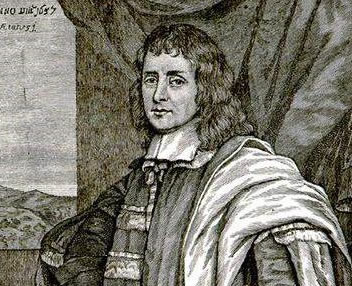
The Ark, the Dove, and Marie's LandCecil Calvert, 2nd Lord of Baltimore, founded Maryland in 1632. Cecil's father, George Calvert, had received a royal charter for the land from King Charles I. The new colony was named after Henrietta Maria, the wife of the king. In November of 1633, about 200 Catholic settlers led by Cecil's younger brother boarded the ships ARK and DOVE, and set sail for Marie's Land (later Maryland). Click here to learn more about Lord Baltimore Catholic RefugeBy 1634, Maryland became one of the few territories of England to be predominately Catholic. Their settlement became known as St. Mary's and is currently the fourth oldest permanent British settlement in America. The Puritans Take OverIn 1649, the Maryland Toleration Act was passed which guaranteed religious tolerance to settlers, as long as the religion was a sect of Christianity. After England's "Glorious Revolution" of 1688, which established the Protestant faith in England, Catholicism was outlawed in Maryland until after the Revolutionary War. The Puritan government of Maryland at the time burned down all of southern Maryland’s original Catholic churches. Click here to learn more about the Maryland Toleration Act Slaves and TobaccoBy the 1700's, Maryland and Virginia became plantation economies, and grew tobacco as the cash crop. Up to 40 percent of Maryland's population were slaves or convicts who worked in the tobacco fields. Soon, Baltimore, a large port on the Chesapeake Bay, became an important center for tobacco export. Click here to learn more about the history of Tobacco in the colonies. Discussion Questions
Glossary
The Ark, the Dove, and Marie's LandMaryland was founded in 1632 by Cecil Calvert, also known as the 2nd Lord Baltimore. His father, George Calvert, had received permission from King Charles I to start the colony. It was named after the king’s wife, Henrietta Maria. In 1633, about 200 Catholic settlers sailed to the new colony on two ships called the Ark and the Dove. Catholic RefugeBy 1634, Maryland was one of the only English colonies with mostly Catholic settlers. They built their first town, St. Mary’s, which became the fourth oldest British settlement in America. The Puritans Take OverIn 1649, the Maryland Toleration Act was passed. It allowed settlers to practice any Christian religion. But after the Glorious Revolution in England in 1688, Catholics lost power, and their churches were destroyed. Maryland banned Catholicism until after the American Revolution. Slaves and TobaccoIn the 1700s, Maryland became a plantation colony that grew tobacco to sell. Many workers were enslaved Africans or people sent from England as punishment. Baltimore became a major port for shipping tobacco overseas.
|
| Maryland Colony Activities |
|