Famous Virginians |
|
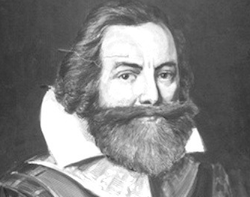 |
John Smith was an English explorer and leader who helped establish the Jamestown colony in Virginia in 1607. His strong leadership and interactions with local Native Americans helped the struggling colony survive its early years.
|
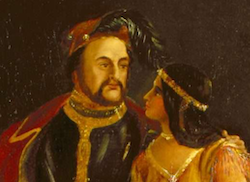 |
John Rolfe was a Jamestown colonist who introduced tobacco as a successful cash crop, which helped the colony grow economically. He is also known for marrying Pocahontas, helping to create a temporary peace between the English and Powhatan tribes. |
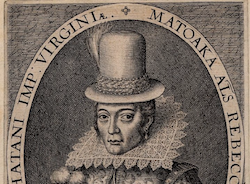 |
Pocahontas was the daughter of Powhatan chief Wahunsenacawh and is known for helping the English settlers at Jamestown. She later married John Rolfe and traveled to England, becoming a symbol of early Native American and English relations.
|
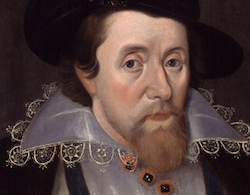 |
Christopher Newport was an English sea captain who led the voyage that established the Jamestown settlement in 1607. He made several trips between England and Virginia, bringing supplies and new settlers to support the colony. |
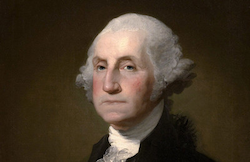 |
George Washington was the commander of the Continental Army during the American Revolution and led the colonies to victory over Britain. He later became the first President of the United States, serving from 1789 to 1797. |
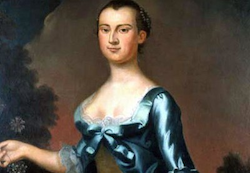 |
Martha Washington was the wife of George Washington and the first First Lady of the United States. She managed the family’s Mount Vernon estate and supported the Continental Army during the Revolutionary War. |
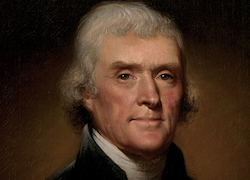 |
Thomas Jefferson was the third President of the United States and the author of the Declaration of Independence. He authorized the Louisiana Purchase and commissioned the Lewis and Clark Expedition to explore the western lands. |
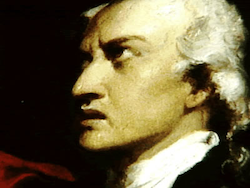 |
Patrick Henry was a passionate orator and leader in the American Revolution, famous for his declaration, “Give me liberty, or give me death!” He strongly opposed British rule and played a key role in rallying support for independence in Virginia. |
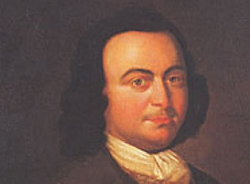 |
George Mason was a Virginia statesman who authored the Virginia Declaration of Rights, which influenced the U.S. Bill of Rights. He refused to sign the U.S. Constitution because it lacked strong protections for individual liberties. |
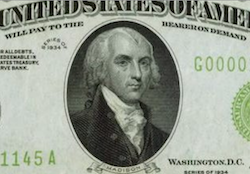 |
James Madison, known as the “Father of the Constitution,” played a key role in drafting the U.S. Constitution and the Bill of Rights. He later served as the fourth President of the United States from 1809 to 1817. |
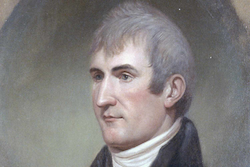 |
Meriwether Lewis was an American explorer and the leader of the Lewis and Clark Expedition, chosen by President Thomas Jefferson. He was responsible for mapping the newly acquired Louisiana Territory and documenting its plants, animals, and Native peoples. |
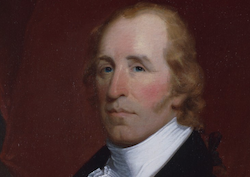 |
William Clark was an American frontiersman and co-leader of the Lewis and Clark Expedition. He served as the expedition’s mapmaker and military leader, helping guide the Corps of Discovery across the western wilderness. |
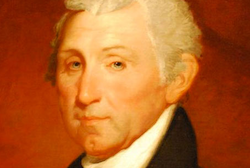 |
James Monroe was the fifth President of the United States, serving from 1817 to 1825, and is best known for the Monroe Doctrine, which opposed European interference in the Americas. His presidency, often called the "Era of Good Feelings," was marked by national unity and westward expansion. |
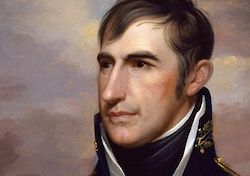 |
William Henry Harrison was a military leader and hero of the Battle of Tippecanoe who later became the 9th President of the United States. He served the shortest presidency in U.S. history, dying just 31 days after taking office in 1841. |
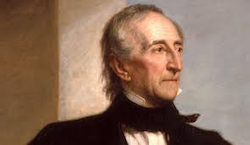 |
John Tyler was the 10th President of the United States, assuming office in 1841 after the death of William Henry Harrison, making him the first vice president to become president due to a predecessor's death. His presidency is noted for the annexation of Texas and for being expelled from his own party, the Whigs, during his term. |
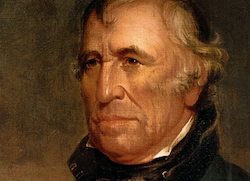 |
Zachary Taylor was the 12th President of the United States and a national hero for his leadership as a general during the Mexican-American War. He served as president from 1849 until his death in 1850, focusing on preserving the Union amid rising tensions over slavery. |
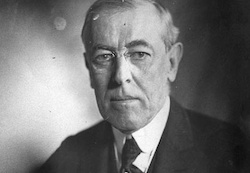 |
Woodrow Wilson was the 28th President of the United States, serving from 1913 to 1921, and is best known for leading the country during World War I. He introduced progressive reforms at home and proposed the League of Nations to promote global peace after the war. |
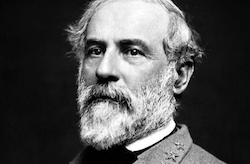 |
Robert E. Lee was the commanding general of the Confederate Army during the Civil War, best known for leading the Army of Northern Virginia. Although he won several major battles, his aggressive tactics at Gettysburg and eventual surrender at Appomattox marked the decline and defeat of the Confederacy. |
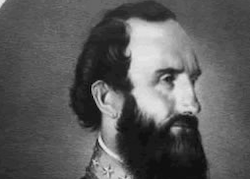 |
Thomas "Stonewall" Jackson was a Confederate general known for his fearless tactics and firm leadership during the American Civil War. He earned his famous nickname at the First Battle of Bull Run and became one of General Robert E. Lee's most trusted commanders before his accidental death in 1863. |
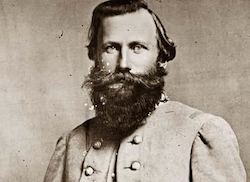 |
J.E.B. Stuart - The Eyes of the Confederacy J.E.B. Stuart was a Confederate cavalry commander known for his daring raids and reconnaissance missions that provided crucial intelligence to General Robert E. Lee. His absence during the early days of the Battle of Gettysburg, however, has been criticized for leaving Lee unaware of Union positions. |
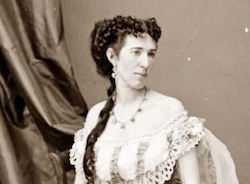 |
Belle Boyd was a young Confederate spy known for her daring actions during the Civil War, including smuggling information to General Stonewall Jackson. Nicknamed the “Cleopatra of the Secession,” she used charm and courage to support the Southern cause and later became an author and actress. |
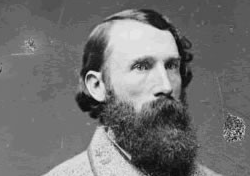 |
A.P. Hill was a Confederate general known for his bravery, emotional intensity, and leadership of the renowned “Light Division” during key battles like Antietam, Fredericksburg, and Gettysburg. Despite recurring illnesses, he rose to the rank of lieutenant general and was killed just days before the Confederate surrender at Appomattox. |