 |
The History of Virginia
Virginia, founded as the first permanent English colony in 1607 at Jamestown, played a central role in the early development of America. It later became a key state in the fight for independence and was home to many founding fathers, including George Washington and Thomas Jefferson. |
|
 |
Powhatan Nation
The Powhatan Nation was a powerful group of Native American tribes in eastern Virginia, united under the leadership of Chief Powhatan. They lived in villages near rivers, hunted, farmed, and are well known for their encounters with English settlers at Jamestown and the story of Pocahontas. |
|
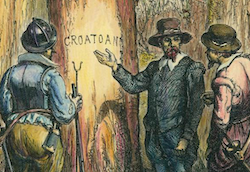 |
Jamestown - First English Settlement
Jamestown, founded in 1607 in Virginia, was the first permanent English settlement in North America. It struggled with disease, famine, and conflicts with Native Americans before eventually thriving through tobacco cultivation.
Jamestown In Depth:
|
|
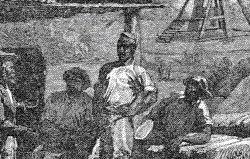 |
The Virginia Economy
|
|
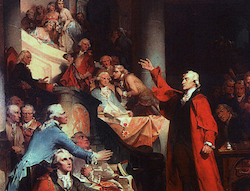 |
The House of Burgesses
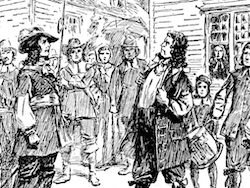
The House of Burgesses, established in 1619 in Virginia, was the first representative legislative assembly in the English colonies. It allowed colonists to elect representatives, giving them a voice in their government. |
|
 |
Bacon's Rebellion
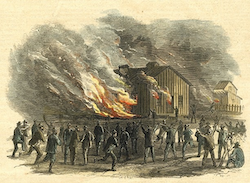
Nathaniel Bacon and his followers burned Jamestown to the ground because they felt the colonial government did little to protect them from Native American attacks. |
|
 |
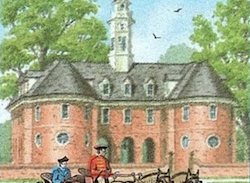
From Jamestown to Williamsburg
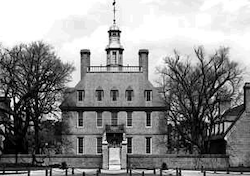
In 1699, Virginia’s capital was moved from Jamestown to Williamsburg due to Jamestown’s swampy conditions, fires, and unhealthy environment. Williamsburg offered a safer location on higher ground and soon became the political and cultural center of the colony. |
|
 |
Revolutionary War
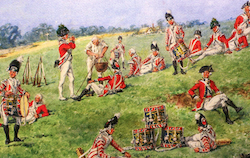
The American Revolutionary War (1775–1783) was a conflict between the thirteen American colonies and Great Britain, resulting in the colonies gaining independence. It began with growing tensions over British taxation and governance and ended with the Treaty of Paris, which recognized the United States as a sovereign nation. |
|
 |
Siege at Yorktown
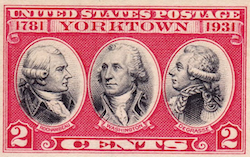
The final major battle of the Revolutionary War occurred in October of 1781, when Generals George Washington and Comte de Rochambeau led a successful siege on British forces under Charles Cornwallis. Cornwallis was forced to surrender over 8,000 soldiers. |
|
 |
The Invention of the Cotton Gin
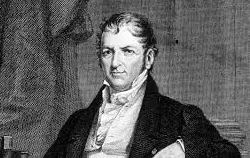
The invention of the cotton gin greatly increased the profitability of cotton farming, leading to a rapid expansion of slavery in the Southern states. This growth in slavery deepened the divide between the North and South, contributing to the tensions that eventually led to the Civil War. |
|
 |
Secession of the Southern States
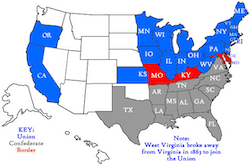
The secession of Southern states in 1860 and 1861, initiated by South Carolina, was a direct response to the election of Abraham Lincoln, whose anti-slavery stance threatened the institution central to the Southern economy and way of life. This collective withdrawal from the Union led to the formation of the Confederate States of America, setting the stage for the outbreak of the Civil War. |
|
 |
Civil War
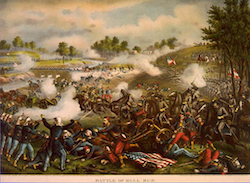
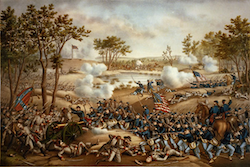
The American Civil War (1861–1865) was fought between the Northern states (Union) and the Southern states that seceded to form the Confederacy, primarily over the issues of slavery and states’ rights. It resulted in the preservation of the Union and the abolition of slavery, but at the cost of over 600,000 lives. |
|
 |
Civil War Battles in Virginia
|
|
 |
Reconstruction
Reconstruction after the Civil War (1865–1877) aimed to rebuild the South and integrate formerly enslaved people into American society with new rights, including citizenship and voting. In South Carolina, this period saw significant political participation by African Americans but also violent resistance and the rise of groups like the Ku Klux Klan, which ultimately undermined many of these gains. |
|