Native Nations |
|
| Learn all about the native nations below and access dozens of printable and online activities. | |
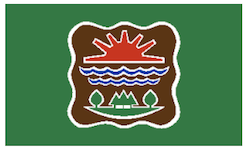 |
The Abenaki are a Native American people who lived in what is now northern New England and parts of Canada, including New Hampshire, Vermont, and Quebec. They were skilled hunters, farmers, and traders, and despite wars and displacement, many Abenaki communities and traditions remain strong today. |
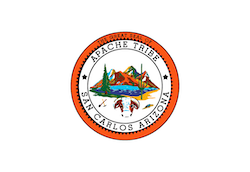 |
The Apache Nation is made up of several tribes from the Southwestern United States, known for their strong warrior traditions and skill in survival across deserts and mountains. They resisted Spanish, Mexican, and American expansion for centuries, with leaders like Geronimo becoming legendary. |
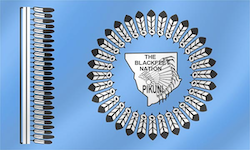 |
The Blackfoot Nation is made up of four tribes—the Siksika, Kainai, and Piikani in Canada, and the Blackfeet Tribe in Montana. They are known for their strong warrior culture, buffalo hunting traditions, and rich spiritual practices. |
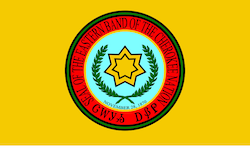 |
The Cherokee are one of the largest Native American tribes, originally inhabiting the southeastern United States, including parts of Georgia, Tennessee, and the Carolinas. Known for their sophisticated society, farming practices, and the creation of a written language by Sequoyah, the Cherokee were forcibly removed from their land in the 1830s during the Trail of Tears. |
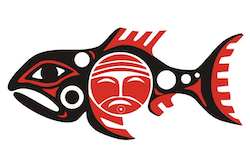 |
The Chinook people were skilled traders and canoe builders who lived along the Columbia River in the Pacific Northwest. They developed complex trade networks and were known for their plank houses, social hierarchy, and the Chinook Jargon used for intertribal communication. |
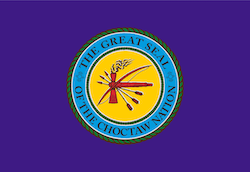 |
The Choctaw Nation originally inhabited the Southeastern United States and were known for their mound-building, farming practices, and rich oral traditions. They were among the first tribes to adopt written laws and experienced forced removal along the Trail of Tears in the 1830s. |
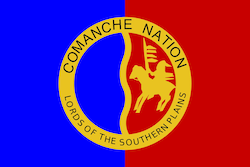 |
The Comanche Nation is a federally recognized Native American tribe based in Oklahoma, descended from the powerful Comanche people who once ruled the Southern Plains. Today, the Nation preserves Comanche culture, language, and traditions while providing services to its citizens. |
 |
The Fox people, also known as the Meskwaki, originally lived in the Great Lakes region, including parts of present-day Illinois. They were known for their resistance to French colonization and later allied with the Sauk tribe after being driven from their homeland. |
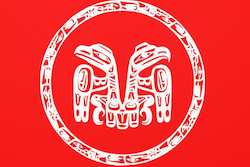 |
The Haida Nation is an Indigenous people of the Pacific Northwest Coast, living primarily on Haida Gwaii in British Columbia, Canada. They are renowned for their rich artistic traditions, especially their totem poles, carvings, and deep connection to the land and sea. |
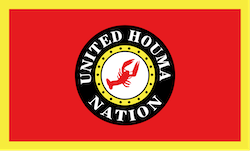 |
The Houma Nation is a Native American tribe indigenous to what is now Louisiana, with roots tracing back to the Mississippian culture. Historically known for their fishing, farming, and craftsmanship, the Houma people have maintained a strong cultural identity despite centuries of displacement and lack of federal recognition. |
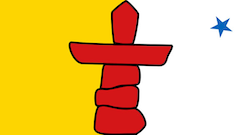 |
The Inuit are Indigenous peoples who live in the Arctic regions of North America and Greenland. They are known for their deep connection to the land, their skills in hunting and survival in extreme cold, and their rich spiritual and cultural traditions. |
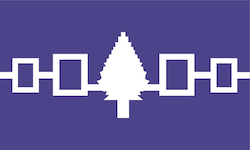 |
The Iroquois, also known as the Haudenosaunee, are a group of Native American nations originally from the northeastern United States. They are known for forming a powerful confederacy, the Iroquois League, and for their advanced political system based on consensus and unity. |
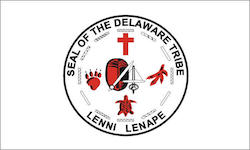 |
The Lenni Lenape, also known as the Delaware people, originally lived in the Northeastern United States, including present-day New Jersey, Pennsylvania, and New York. They were known for their farming, clan-based society, and early treaties with European settlers, including a famous agreement with William Penn. |
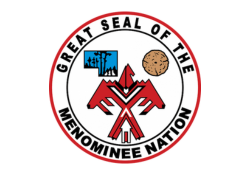 |
The Menominee Nation is a Native American tribe originally from what is now Wisconsin, known for their sustainable forestry practices and strong connection to the land. Despite being terminated as a tribe in the 1950s, they successfully regained federal recognition in 1973 and continue to manage their reservation and forest today. |
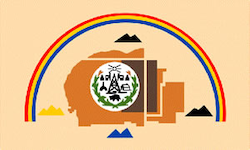 |
The Navajo, or Diné, are Native American people from the Southwest United States, known for their rich traditions, farming, and sheep herding. They are renowned for their weaving, silver jewelry, and ceremonies that focus on harmony, healing, and balance with nature. |
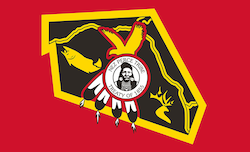 |
The Nez Perce are a Native American people from the Pacific Northwest, known for their horse culture and skilled craftsmanship. They are also remembered for their resistance during the 1877 Nez Perce War, when Chief Joseph led his people on a long journey toward freedom. |
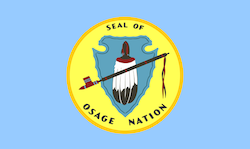 |
The Osage people, originally from the Ohio Valley, migrated west and became known as powerful hunters and farmers in the central United States. They developed a rich cultural and spiritual life centered on harmony, clan structure, and ceremonies honoring nature and their creator, Wakonda. |
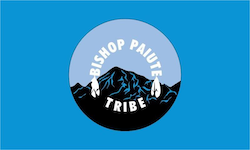 |
The Paiute Nation is made up of Native American tribes that traditionally lived across Nevada, Utah, California, and Arizona. They are known for their deep connection to the desert landscape, skilled basket weaving, and strong preservation of their language and culture. |
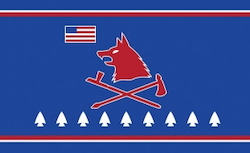 |
The Pawnee Nation is a Native American tribe originally from present-day Kansas and Nebraska, known for their earth lodge villages and complex social structure. In the 19th century, they were forcibly relocated to Indian Territory in present-day Oklahoma, where the Pawnee Nation is headquartered today. |
 |
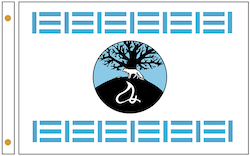
The Penobscot Nation is a Native American tribe from Maine, whose homeland centers around the Penobscot River. They are part of the Wabanaki Confederacy and continue to preserve their culture, language, and traditions today. |
 |
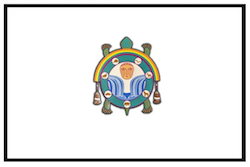
The Pequot Nation is a Native American tribe from southeastern Connecticut, historically known for their maritime skills, agriculture, and trade. They played a central role in early colonial conflicts, including the Pequot War of 1636–1638, which greatly impacted their population and territory. |
 |
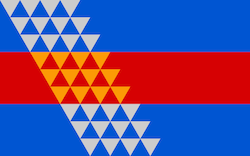
The Piscataway Indians were an Algonquian-speaking tribe who lived along the Potomac River and Chesapeake Bay in what is now Maryland. They were skilled farmers, hunters, and fishers, and their confederacy played an important role in the region before and during early European colonization. |
 |
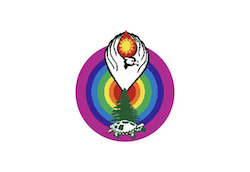
The Pomo Nation is a Native American people of Northern California, traditionally living around the Russian River, Clear Lake, and the Pacific coast. They are known for their rich cultural traditions, especially their intricate basket weaving, considered among the finest in the world. |
 |
The Powhatan Nation was a powerful group of Native American tribes in eastern Virginia, united under the leadership of Chief Powhatan. They lived in villages near rivers, hunted, farmed, and are well known for their encounters with English settlers at Jamestown and the story of Pocahontas. |
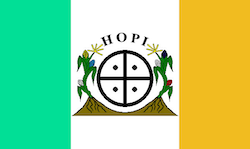 |
The Puebloan people are Native American groups from the Southwestern United States, especially in present-day Arizona, New Mexico, Colorado, and Utah. They are known for their farming, cliff dwellings, multi-story adobe homes, ceremonial kivas, and rich spiritual traditions involving Kachinas. |
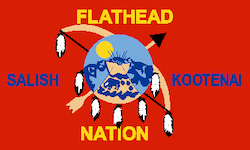 |
The Salish Nation is a group of Indigenous peoples who have traditionally lived in the Pacific Northwest, including parts of Washington, Idaho, Montana, and British Columbia. They are known for their rich traditions of storytelling, beadwork, and respect for the natural world. |
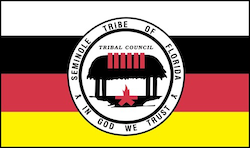 |
The Seminole Nation formed in the 18th century from a mix of Native American groups, including Creek refugees, who settled in Florida. They are known for resisting U.S. removal efforts during the Seminole Wars, maintaining a strong cultural identity despite displacement. |
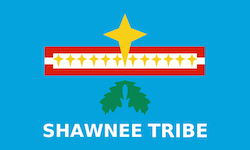 |
The Shawnee Nation is a Native American tribe originally located in the Ohio Valley region, known for their skilled diplomacy and resistance against colonial expansion. Today, Shawnee communities primarily reside in Oklahoma, preserving their language, culture, and traditions. |
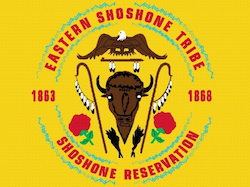 |
The Shoshone Nation, originally spread across the western United States, lived in areas of present-day Wyoming, Idaho, Utah, and Nevada. They were skilled hunters, gatherers, and horsemen, with distinct groups such as the Eastern, Northern, and Western Shoshone. |
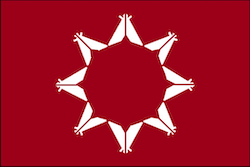 |
The Sioux are a group of Native American tribes that traditionally lived in the Great Plains, including present-day North and South Dakota, Minnesota, and Nebraska. Known for their skilled horseback riding, buffalo hunting, and strong warrior culture, the Sioux played a central role in resisting U.S. expansion during the 19th century. |
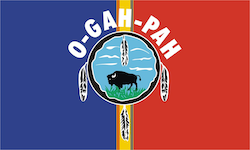 |
The Quapaw Nation is a Native American tribe originally from the Mississippi River Valley, especially in what is now Arkansas. Today, the tribe is based in northeastern Oklahoma and works to preserve its culture, language, and traditions. |
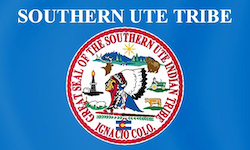 |
The Ute people are Native Americans from the Great Basin and Rocky Mountain regions, especially present-day Utah and Colorado. Traditionally, they were skilled hunters, gatherers, and horsemen, and they continue to preserve their culture and traditions today. |
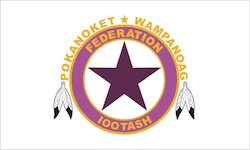 |
The Wampanoag are a Native American people from what is now southern and eastern Massachusetts, known for their farming, fishing, and seasonal way of life. They played a key role in helping the Pilgrims survive in the early 1600s and were later involved in King Philip's War as they resisted English expansion. |